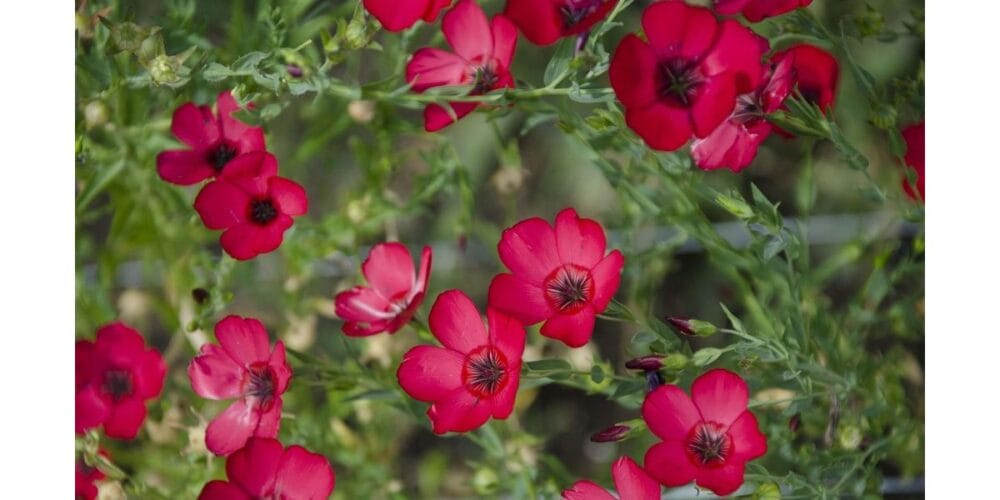
How to Grow Flax
Flax is one of the oldest cultivated plants in the world and is valued for both its nutritious seeds and strong fiber. Scientifically known as Linum usitatissimum, flax is widely grown for producing flaxseeds and linen fiber. The seeds are rich in omega-3 fatty acids, fiber, and antioxidants, making them highly beneficial for health. In addition, flax fibers are used to produce linen fabric.
Growing flax is relatively easy if the right soil, climate, and care practices are followed. Whether you are a home gardener or a farmer, this guide will help you understand how to grow flax successfully.
What is Flax?
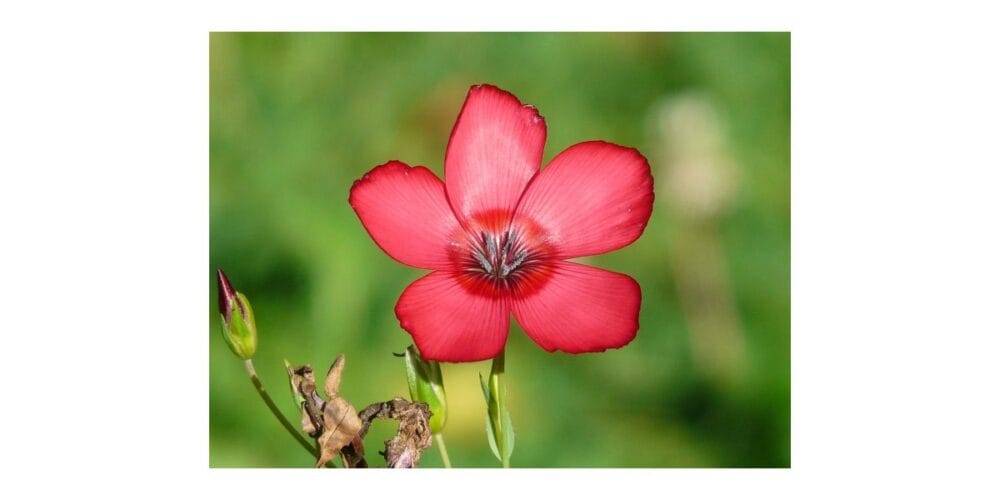
Flax is an annual plant that grows upright and reaches a height of about 2 to 4 feet. It has slender stems, narrow leaves, and delicate blue flowers that bloom beautifully during the growing season. The plant produces small round seeds that are commonly known as flaxseeds or linseeds.
Flax is mainly grown for two purposes:

- Flaxseed production for food and oil.
- Fiber production for making linen.
Ideal Climate for Growing Flax
Flax grows best in cool climates and moderate temperatures. It prefers regions with mild weather and consistent moisture.
Temperature:
The ideal temperature for flax cultivation ranges between 15°C and 25°C.
Sunlight:
Flax requires full sunlight for proper growth and seed production.
Rainfall:
Moderate rainfall is beneficial, but excessive moisture or waterlogging can harm the crop.
In many regions, flax is grown during the cool season, especially in areas with mild winters.
Best Soil for Flax Cultivation
Flax grows best in well-drained fertile soil.
Recommended soil types:
- Loamy soil
- Sandy loam soil
- Well-drained clay loam
Soil pH:
The ideal soil pH for flax is 6.0 to 7.5.
Heavy clay soils with poor drainage should be avoided because they can cause root diseases.
Before planting, enrich the soil with organic matter such as compost or well-decomposed farmyard manure (FYM) to improve soil fertility.
Land Preparation
Proper land preparation is important for good flax growth.
- Plow the field thoroughly to loosen the soil.
- Remove weeds, stones, and plant debris.
- Level the soil to ensure uniform irrigation.
- Mix organic manure into the soil during the final plowing.
A fine and firm seedbed helps flax seeds germinate evenly.
Flax Seed Sowing
Flax is usually grown from seeds.
Sowing Time
The sowing time depends on the climate of the region. In many areas, flax is sown in early spring when the soil temperature is suitable for germination.
Seed Rate
The seed rate varies depending on whether flax is grown for seeds or fiber.
- For seed production: 20–25 kg seeds per hectare
- For fiber production: 40–50 kg seeds per hectare
Sowing Method
Seeds can be sown by:
- Broadcasting
- Line sowing
For better management, line sowing is recommended.
Spacing:
- Row spacing: 20–25 cm
- Plant spacing: 5–10 cm
Seeds should be sown about 2–3 cm deep in the soil.
Also Read: How to Grow Hydrangea: A Complete Guide for Beautiful Blooms
Irrigation Requirements
Flax requires moderate watering.
Key irrigation stages:
- After seed germination
- During vegetative growth
- At flowering stage
- During seed formation
Avoid over-watering because waterlogged soil can damage roots and reduce yield.
In rain-fed areas, natural rainfall may be sufficient.
Nutrient Management
Proper nutrient supply improves plant growth and seed yield.
Organic Fertilizers
Adding well-decomposed farmyard manure (FYM) or compost before planting improves soil structure and fertility.
Chemical Fertilizers
A general fertilizer recommendation for flax is:
- Nitrogen (N): 40–60 kg per hectare
- Phosphorus (P₂O₅): 20–40 kg per hectare
- Potassium (K₂O): 20–30 kg per hectare
Apply phosphorus and potassium during land preparation and nitrogen in split doses.
Micronutrients like zinc and boron can also improve plant growth if the soil is deficient.
Weed Management
Weeds compete with flax plants for nutrients, water, and sunlight.
Weed Control Methods
- Manual weeding: Remove weeds by hand during the early growth stage.
- Mulching: Helps suppress weed growth and retain soil moisture.
- Mechanical cultivation: Light hoeing between rows can reduce weeds.
The first 30–40 days after sowing are critical for weed control.
Pest and Disease Management
Flax is generally a hardy crop, but some pests and diseases can affect it.
Common Pests
- Aphids
- Cutworms
- Flea beetles
Control methods:
- Use organic insecticides such as neem oil.
- Encourage natural predators.
- Maintain field hygiene.
Common Diseases
- Flax rust
- Wilt
- Powdery mildew
Control measures:
- Use disease-resistant varieties.
- Avoid excessive irrigation.
- Practice crop rotation.
Regular monitoring of the crop helps detect problems early.
Also Read: How to Grow Cockscomb: (Complete Gardening Guide)
Harvesting Flax
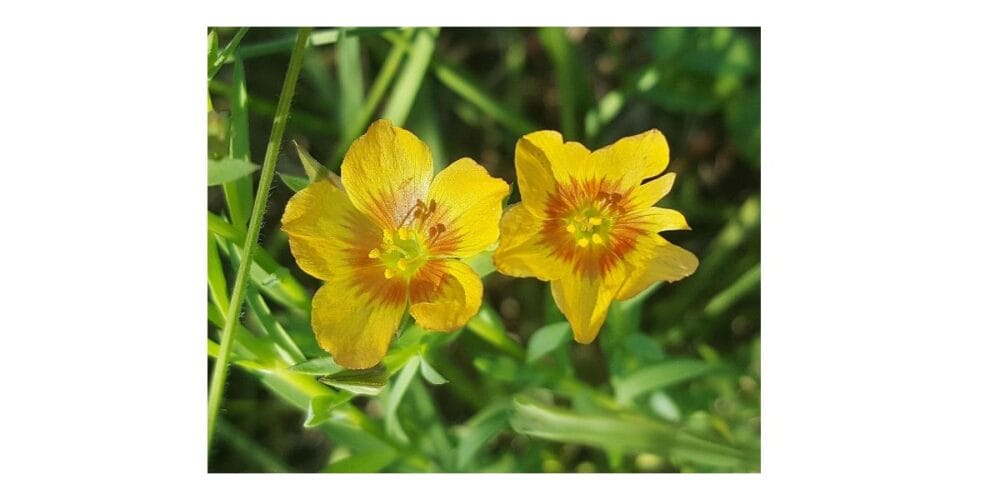
Flax is usually ready for harvest 90–120 days after sowing, depending on the variety and growing conditions.
Signs of Maturity
- Plants turn yellow or golden brown
- Seed capsules become dry
- Leaves begin to fall off
For seed production, the crop is harvested when most seed capsules are mature.
Plants can be cut or pulled from the ground and then dried before threshing.
Yield of Flax
The average yield of flax depends on the variety, soil fertility, and crop management practices.
Typical yields include:
- Seed yield: 1–1.5 tons per hectare
- Fiber yield: 1–1.2 tons per hectare
Improved varieties and good crop management can significantly increase productivity.
Benefits of Growing Flax
Growing flax offers several advantages:
- Flax seeds are rich in omega-3 fatty acids and dietary fiber.
- The plant produces high-quality linen fiber used in textiles.
- Flax improves soil health and crop rotation systems.
- It has strong demand in food, health, and textile industries.
Because of its multiple uses, flax can be a profitable crop for farmers.
Also Read: How to Grow Oleander: A Complete Cultivation Guide for Healthy Flowering Plants
Final Thoughts
Flax is a versatile and valuable crop that can be grown successfully with proper care and management. By selecting suitable soil, maintaining proper irrigation, controlling weeds, and providing balanced nutrients, farmers and gardeners can achieve good yields of flax seeds and fiber.
With increasing demand for healthy foods and sustainable textiles, flax cultivation is becoming more popular worldwide. By following the practices outlined in this guide, you can successfully grow flax and enjoy its many benefits.